[Updated 22 August 2026]
Please do not confuse this tour with my Valletta Free** Walking Tour (2 hours long, pay-what-you-want, and super fun). This page is for those who want to walk around Valletta alone, without a guide.
If you do plan on booking a tour with me, then do not read any more of this guide. Otherwise you'll ruin your own experience when we actually walk through most of the spots 😊
I made this tour for the Couch Surfing community. I purposely kept it light and simple. And obviously, I say much more in my actual walking tours of Valletta, Mdina-Rabat, and the 3 Cities.
You can download a mobile-friendly PDF file here.
It begins immediately below:
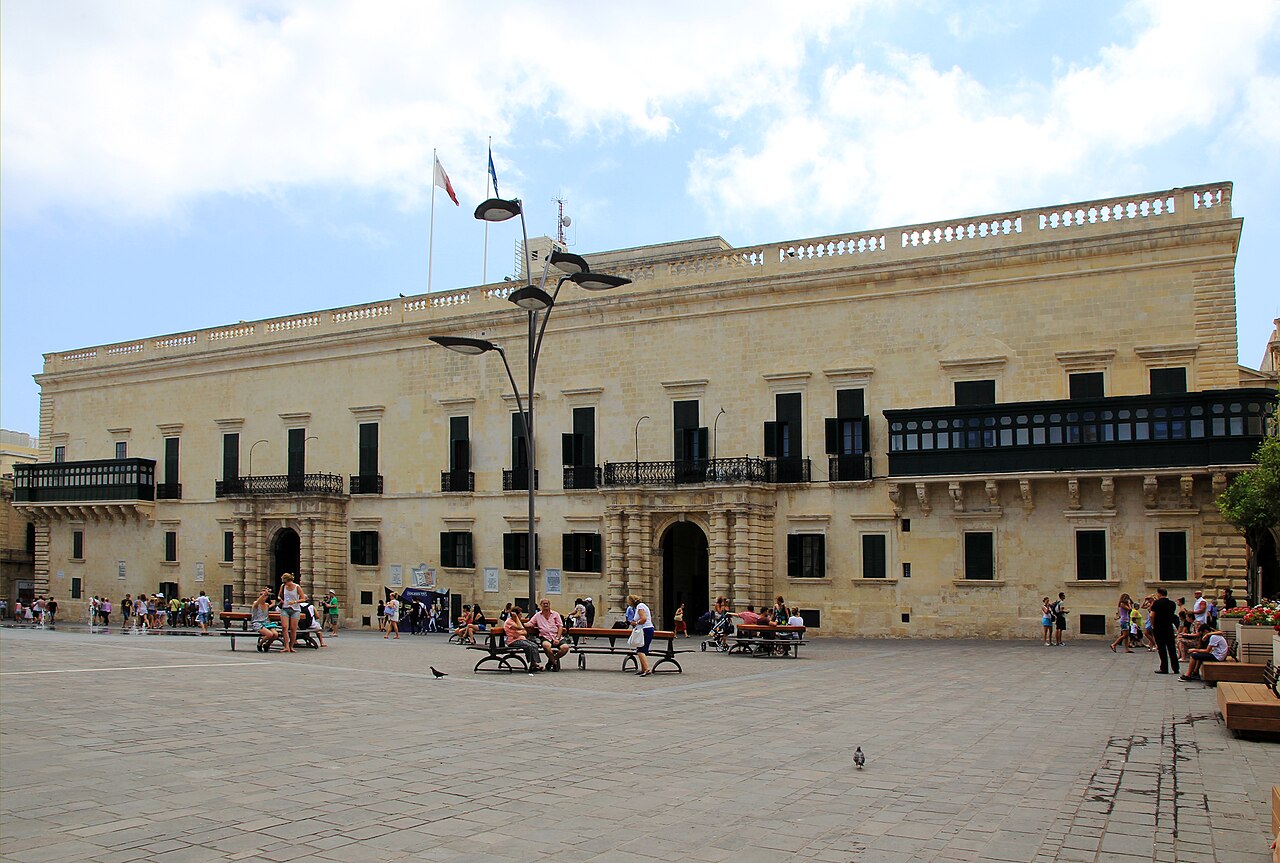
This was the palace of the Grandmaster; the leader of the Knights of St John.
The Knights of St John founded Valletta in 1571, and are responsible for all the walls and almost all the buildings you will see in Valletta.
The Knights of St John were a military (Crusader Knights), religious (with monks and nuns), and hospital organisation.
If you go closer to the façade of the building you will see a number of plaques:
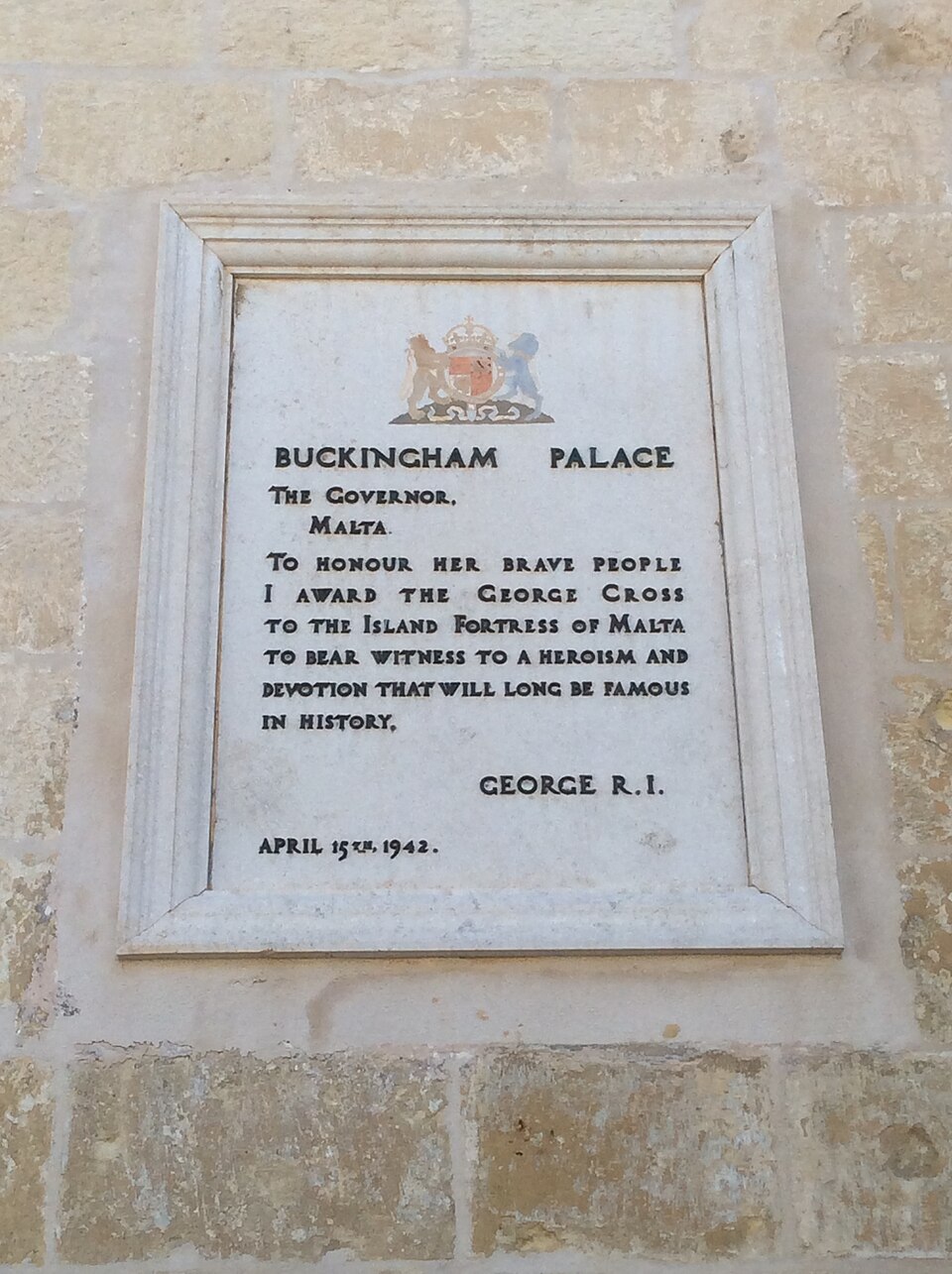
King George VI awarded Malta the George Cross - highest civilian honour in Britain - after "keeping calm and not surrendering" during an intense 3 year bombardment of Malta by Fascist Italy and Nazi Germany.
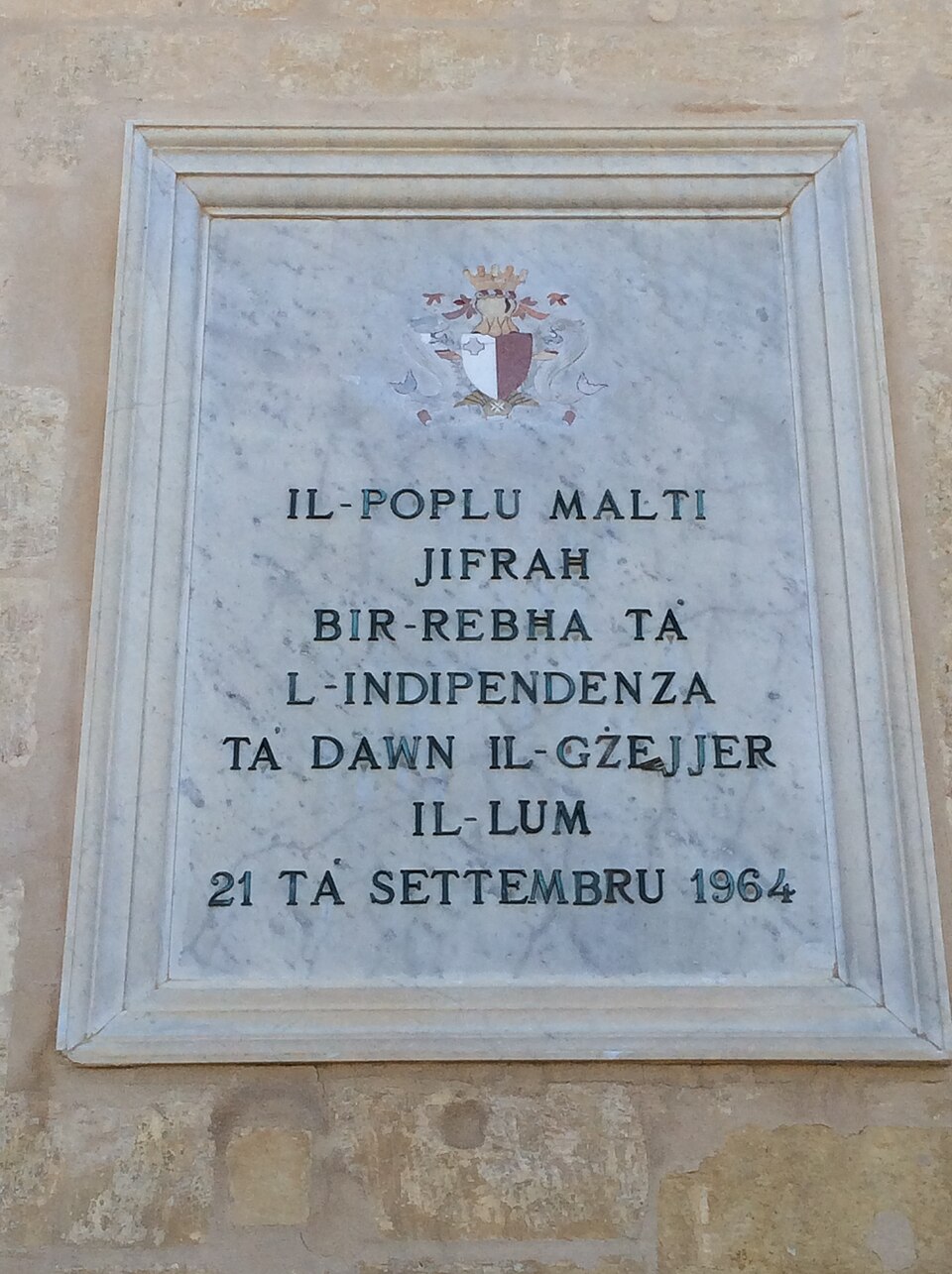
Malta gained independence from Britain in 1964. Here you see an example of the Maltese language. Notice the Italian influence: Poplu, Indipendenza, Settembru; but also the Arabic: Jifraħ (rejoices), bir-rebħa (with the winning of). The ħ sounds like a very hard "h" like you would find in Arabic. Maltese is composed of Arabic, Italian, and English.
The Arabic part of Maltese is from the year 870, when muslim caliphates conquered Malta from North Africa.
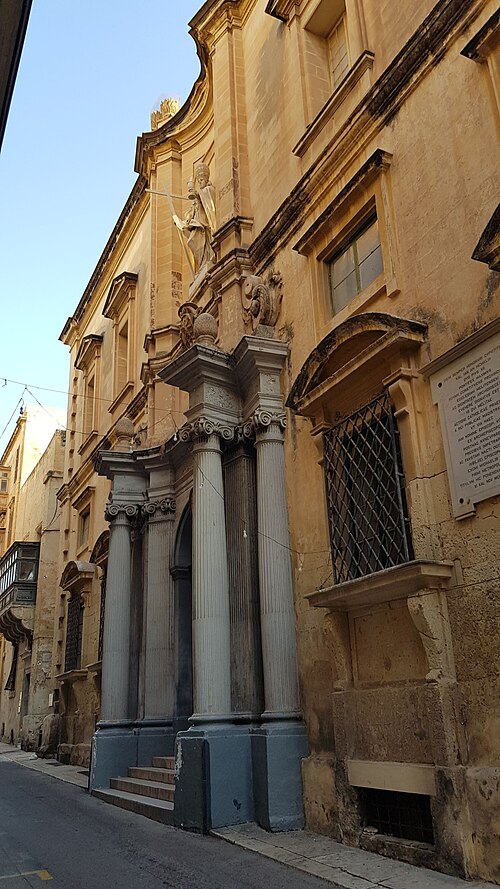
Malta used to be a very religious country. The main religion (by far) is Roman Catholic - it's even declared as the relgion of Malta in the constitution.
Now Malta is moving very quickly to a secular society. Same-sex marriage in 2017, and Cannabis purchasing and consumption is legal (only for residents).
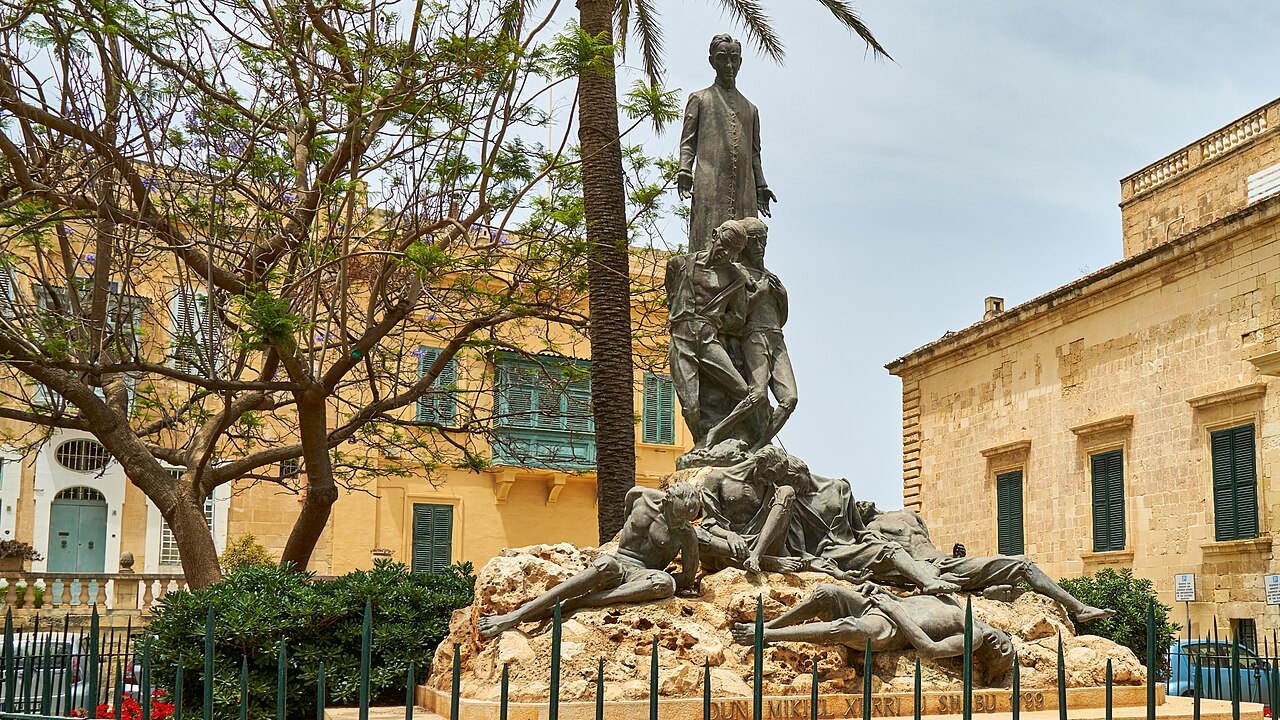
In 1798 Napoleon was on his way to Alexandria, Egypt and conquered Malta from the Knights of St John, in 2.5 days. The Maltese at first were quite accepting of Napoleonic rule, but very quickly rose up against the French.
The monument you see before you is of a priest and patriot Dun Mikiel Xerri who tried to lead a rebellion against the French in Valletta. However he and his compatriots were found out and executed.
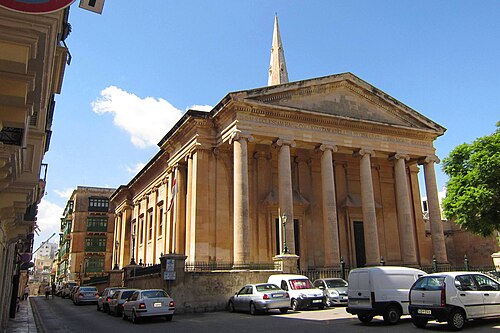
On the left you will see an Anglican Cathedral: St Paul's Pro Cathedral. This was built by the British in 1844.
When the Maltese rose up against the French in 1798, the Maltese invited the British to blockade the port of Malta. The British stayed (they have a habit of doing that 😉), and ruled Malta from 1800-1964 (Malta's independence). Overall I would say the Maltese have a positive appraisal of the British.
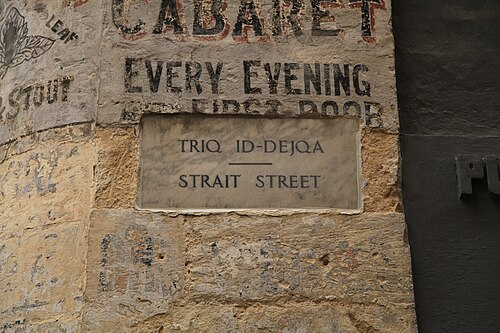
Strait Street is a very narrow street and get its name from "a narrow waterway" just like the Strait of Gibraltar, or the Strait of Hormuz.
This area was infamous for all the bars and hotels catering to the British and later American sailors (Malta at one point had a NATO base here). Now it's a cool/trendy area with many chique bars and restaurants.
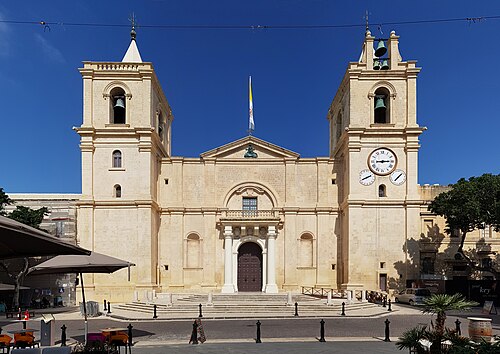
St John's Co-Cathedral was the main church of the Knights of St John. The façade is the original 1575 façade, but it's very deceiving because the inside of the church is one of the best examples of Roman Baroque you might ever see. (Do not look up pictures, but instead surprise yourself by paying a visit).
I strongly recommend you pay €15 to visit (€12 if you're a student or over 60). You can buy tickets online to skip the queue here: Official Website tickets. Or you can look inside for free if you go to the mass: Mass times here. Of course please be respectful during a mass, and you can't walk all over the church, only to get a glimpse.
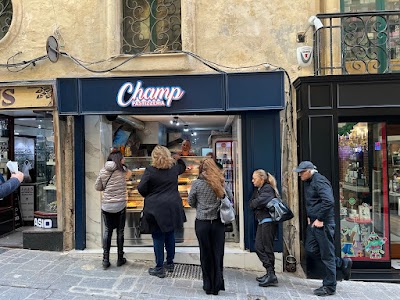
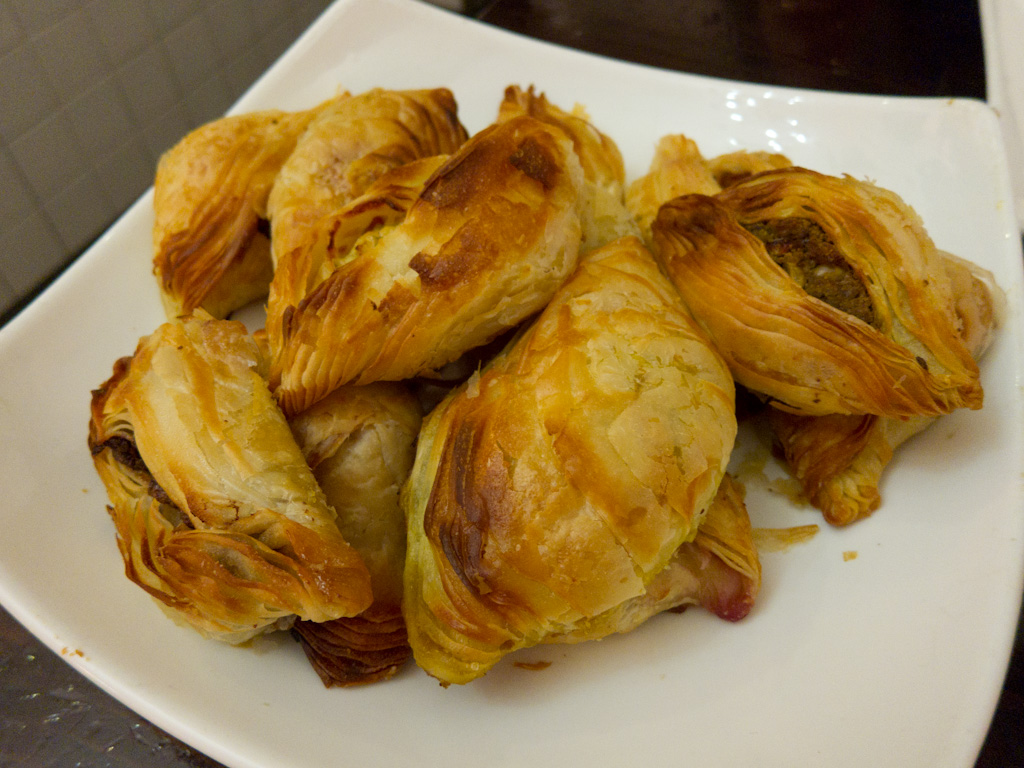
I know you've probably had breakfast, and maybe even eaten some pastizzi, but as a Maltese I have to definitely mention: pastizzi.
Very flaky and oiley pastry with a choice of Riccotta cheese, mashed peas with curry, or chicken. Very popular with the Maltese, and very cheap - the price is controlled by the government (just like our fuel prices are very cheap and very heavily subsidised!).
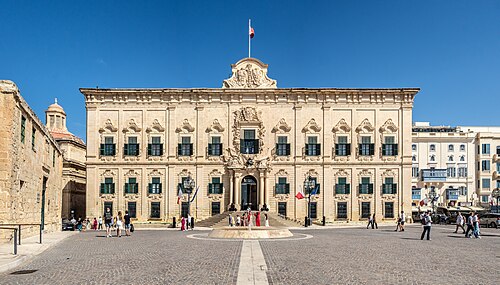
The headquarters for the Knights from Castille, Leon, & Portugal. Look at the coat of arms (or shields) just beneath the flag at the top of the building. The coat of arms on the left has a castle and a lion (Castille, Leon), and the coat of arms on the right is of Portugal.
A beautiful and prominent building, it is now the Prime Minister's Office. The Prime Minister is the executive decision-maker, so it's a very important building in Maltese politics.
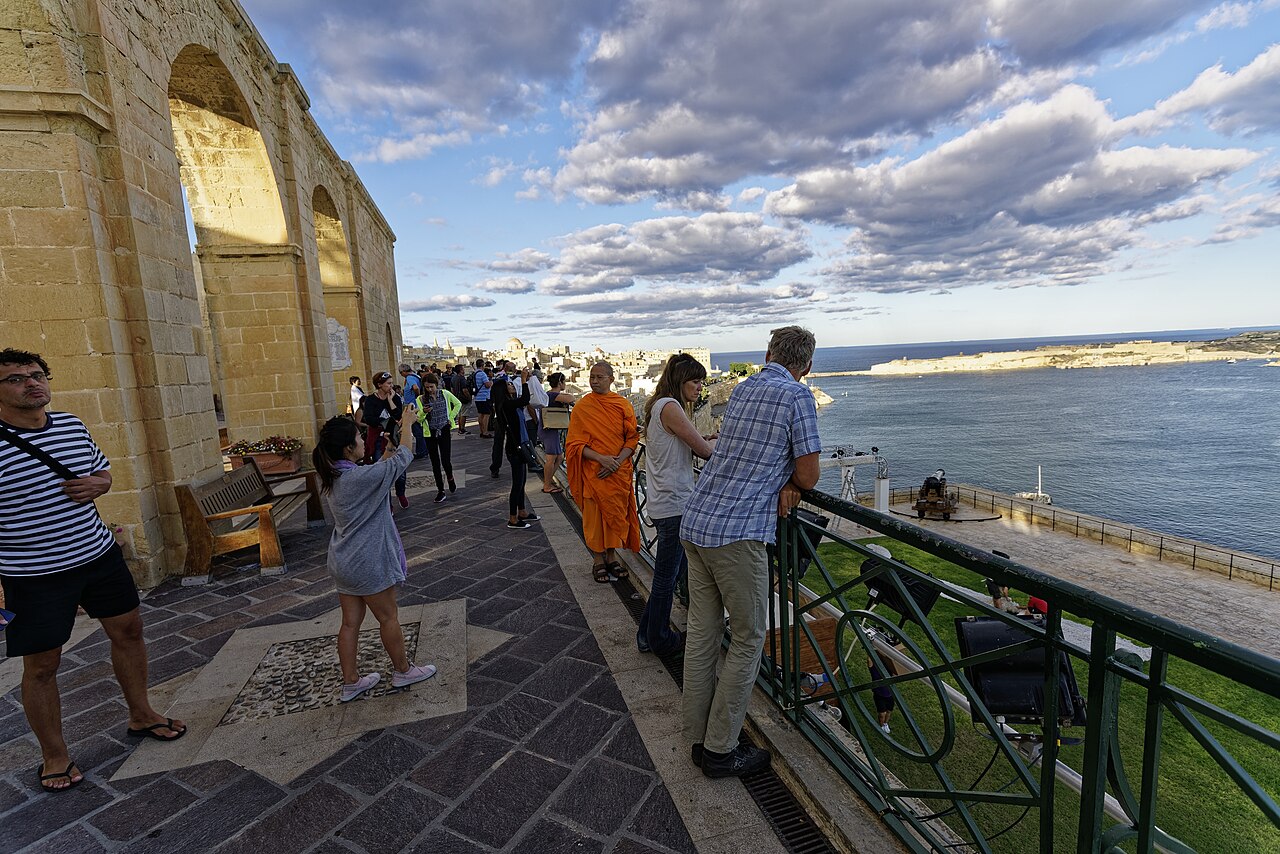
The Upper Barrakka gardens was a section of the walls of Valletta that was under the control of the Italian Knights of St John. The British later turned it into a public garden.
Now it's famous for one of the most beautiful views in Valletta and Malta. Across the water there are two peninsulae jutting out; they form part of the 3 Cities, which I very much recommend you visit. You can catch a boat across - I especially recommend catching the small wooden boats, €3 per person cash.
I hope you enjoyed this short guide of Valletta.
If you're interested in joining me for a walking tour please visit my website BenGoodTour.com. I have 2 hour tours of Valletta, Mdina, and the 3 Cities.
Thank you 😊
If you'd like to donate/tip any amount it would be greatly appreciated 🙏
See what Free Walking Tours I offer and more articles by returning to BenGoodTour.com website.